Meta’s $2 Billion Bet on Manus: The Era of Agentic AI is Here

Beyond Chatbots: How Meta’s Acquisition of Manus Signals the Global Shift Toward ‘Agentic AI’ (Positions the news within the larger technological trend of agents vs. LLMs.)
In a move that has sent shockwaves through the global tech landscape, Meta Platforms Inc. (formerly Facebook) officially announced on December 30, 2025, that it has entered into a definitive agreement to acquire the Singapore-based AI powerhouse Manus for an estimated $2 billion.
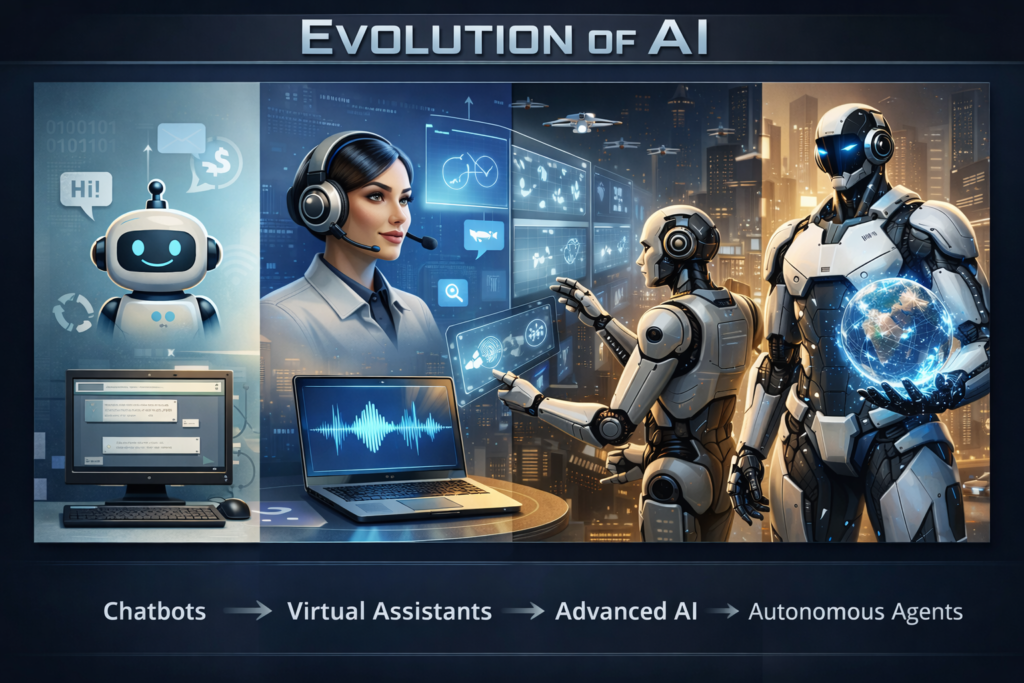
This acquisition marks a pivotal shift in Mark Zuckerberg’s strategy. Meta is no longer just building "chatbots" that talk; it is acquiring "agents" that do. This deal is being hailed as the "WhatsApp moment" for the AI era, potentially transforming how billions of users interact with the digital world.
Who is Manus AI? The "DeepSeek" of Agents
Manus (developed by the startup Butterfly Effect, also known for its Monica.im platform) rose to global fame in early 2025. It gained a reputation as the world’s first truly "General-Purpose AI Agent."
Key Capabilities of Manus:
Autonomous Task Execution: Unlike ChatGPT, which requires step-by-step prompting, Manus can take a single goal—like "Build and deploy a crypto-tracking website"—and execute the entire workflow, from coding to server deployment.
Real-World Actions: It can browse the live web, book flights, manage complex research projects, and even handle video editing with human-level logic.
Record-Breaking Growth: Manus achieved $100 million in Annual Recurring Revenue (ARR) in just eight months, proving that there is a massive market for AI that actually "works" rather than just "writes."
Superior Benchmarks: In the GAIA (General AI Assistants) benchmarks, Manus consistently outperformed OpenAI’s "Deep Research" and Google’s early agentic prototypes.
Why Meta Paid $2 Billion: The Strategic Vision
The acquisition price, reported to be between $2 billion and $3 billion, makes this Meta’s third-largest acquisition ever, following its $14 billion investment in Scale AI and the historic $19 billion WhatsApp deal.
1. From Chat to Action (Agentic AI)
Meta AI is currently a conversational tool. By integrating Manus, Meta aims to turn WhatsApp, Instagram, and Facebook into "Action Hubs." Imagine telling Meta AI on WhatsApp to "Plan my Goa trip, book the cheapest flights, and find a vegetarian-friendly hotel," and having it completed in seconds without you leaving the app.
2. The "Super-App" Strategy
Mark Zuckerberg has long envied the "Super-App" model of China's WeChat. With Manus, Meta can offer small and medium businesses (SMBs) on WhatsApp an autonomous employee that handles customer service, inventory, and even social media marketing automatically.
3. Geopolitical Maneuvering
Manus was founded by Xiao Hong (a Chinese tech prodigy), but the startup moved its headquarters to Singapore in mid-2025 to navigate US-China tensions. As part of the Meta deal, the startup is severing all ties with Chinese investors and shutting down its China-based operations, ensuring compliance with US data privacy standards.
How it Works: The Tech Under the Hood
Manus utilizes a Multi-Agent Architecture. It doesn't rely on a single model; instead, it uses an ensemble of frontier models (rumored to include Anthropic’s Claude and Meta’s own Llama 4) to plan, execute, and self-correct. If the agent hits a roadblock (e.g., a broken link or a coding error), it "thinks" of a workaround and continues until the task is done.
What This Means for India and the Indian AI Ecosystem
For India—Meta’s largest market by user base—this acquisition is a game-changer. The Indian AI ecosystem stands to benefit in three distinct ways:
Empowering Indian SMBs: India has millions of small businesses using WhatsApp Business. Manus-powered agents will allow a local Kirana store or a D2C fashion brand in Jaipur to have a world-class "digital manager" for a fraction of the cost of a human hire. This could trigger a massive productivity boom in the Indian unorganized sector.
A Blueprint for Indian Founders: The success of Manus (hitting $100M ARR in 8 months) serves as a massive inspiration for Indian startups like Sarvam AI and Krutrim. It proves that "wrappers" or "agentic layers" can be more valuable than the base models themselves. We can expect a wave of Indian "Agentic Startups" focusing on local languages and Indian-specific use cases (like filing GST or navigating government portals).
The Talent Transition: As Meta integrates Manus, it will likely look to its massive engineering hubs in Bangalore and Hyderabad to scale these agentic features. This will create a new class of "Agentic Engineers" in India, moving the workforce from simple prompt engineering to complex agent-orchestration roles.
IndianAI.in believes that while the deal happened in Singapore and Menlo Park, the real laboratory for Manus's autonomous agents will be the diverse and fast-paced economy of India.